
General Atomics Designs Helicon Antenna for Tokamak with Simulation
Humberto Torreblanca, General Atomics, USA
Built by engineers at General Atomics, the DIII-D tokamak needs to achieve temperatures that are 10 times hotter than the core of the Sun to achieve nuclear fusion. To accomplish this, a novel heating system using a helicon antenna that can inject 1 megawatt of RF power is being designed and built. Humberto Torreblanca, the DIII-D tokamak chief operator, and his team are using multiphysics simulation to model all aspects of the design, such as the magnetic field distribution inside and outside the tokamak vessel as well as the electric field distribution and RF losses of the helicon antenna.
Suggested Stories
How Fast Do Elevated Temperatures Reach the Cell Interior?
Lithium-ion batteries, which have a tendency to degrade at high temperatures, must adhere to stringent regulations ...
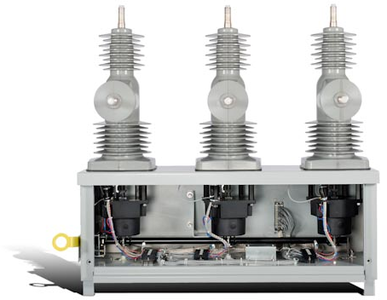
How Reclosers Ensure a Steady Supply of Power: It’s All in the Magnet
When a tree branch touches overhead cables and causes a momentary short circuit, your lights may flicker. A device ...
高圧ケーブルにおける装甲損失の3Dモデリング
NKT HVケーブルは, 数値モデリングを使用して電磁界を解析し, 3Dケーブル設計の装甲損失を計算しました. 次に, シミュレーション主導の設計の信頼性を確保するために, 実験測定を使用してモデリング結果を検証しました.
Multiphysics Protects Wind Turbines when Lightning Strikes
Lightning Technologies, an NTS company, is a world leader in the design and validation of sophisticated lightning ...


