
NEXT ENERGY Analyzes Heat Transfer in Lithium-Ion Batteries
Gerd Liebig, Pamina Bohn, NEXT ENERGY EWE Research Centre for Energy Technology, Germany
Lithium-ion batteries, which have a tendency to degrade at high temperatures, must adhere to stringent regulations guaranteeing their ability to withstand operating temperature fluctuations. Researchers at NEXT ENERGY used heat transfer modeling to study whether high welding temperatures can create enough temperature propagation within cells to cause irreversible damage, such as electrolyte decomposition and capacity loss. They discovered that tab welding can, in fact, induce irreversible damage, but laser welding is significantly less detrimental.
Suggested Stories
海底ケーブルの数値モデル化による洋上風力発電所への電力供給
Hellenic Cables 社は, 有限要素モデリングを使用して, 洋上風力発電所で使用される地中海底ケーブルの設計を解析, 検証し, 持続可能な電力で世界をより良くつなぐことに貢献しています.
Keynote: Numerical Simulation of Primary Alkaline Zn–MnO2 Batteries
In this keynote talk from COMSOL Day: Batteries & Fuel Cells, Xiaotong Chadderdon of Energizer introduces primary ...
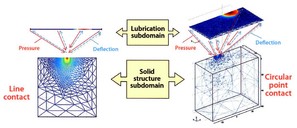
Shape Changing Lubricants
Shell Global Solutions UK is conducting research to optimize lubricants for the fuel economy. A problem exists in ...
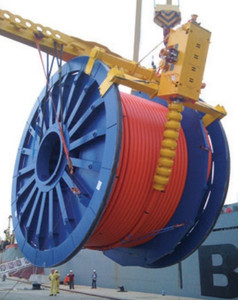
Analysis of Subsea Umbilicals and Cables
JDR Cables designs-to-spec and manufactures subsea umbilical systems of cables and reelers for the oil and gas and ...


