
Monika Weber
Yale University
New Haven, CT
Professor Mark Reed and his team at Yale University are using COMSOL Multiphysics to develop a MEMS-based solution for detecting bacteria in blood. Called the α Screen, it will provide analyses speedily, accurately, and cost-effectively. Such a device would greatly help the food industry in improving meat quality and reducing the risk for infections. Current methods take too long for most food industries to use, as they need to deliver and sell food fresh, while newer alternatives are too expensive for routine use.
As a member of this leading nanotechnology group, Monika Weber used COMSOL Multiphysics to simulate aScreen and optimize its performance. This included modeling the microfluidics of the device and using particle tracing to track the potential routes taken by bacteria within the device.
With her model and presentation of the aScreen, Weber won the 2011 NASA Tech Briefs Create the Future Design Contest.
Suggested Stories

Innovative Packaging Design for Electronics in Extreme Environments
Power electronics appear in many everyday products, including smartphones, electronic car parts, and household ...
It’s a Bird, It’s a Plane: Flow Patterns around an Oscillating Piezoelectric Fan Blade
As electronics grow smaller and smaller and are used for extensive periods of time, their internal heat loads are ...
Multiphysics Protects Wind Turbines when Lightning Strikes
Lightning Technologies, an NTS company, is a world leader in the design and validation of sophisticated lightning ...
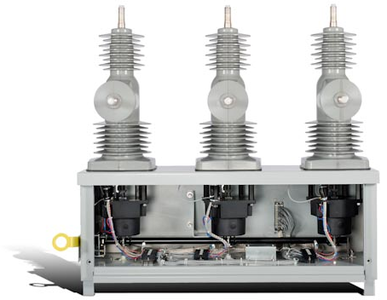
How Reclosers Ensure a Steady Supply of Power: It’s All in the Magnet
When a tree branch touches overhead cables and causes a momentary short circuit, your lights may flicker. A device ...


