
Daniel Höche, HZG, Germany; Nils Bösch, Daimler AG, Germany
Galvanic corrosion, which occurs when the surfaces of different adjoining metals begin to degrade, costs the automotive industry billions of dollars annually. The reactions of these different metal combinations is influenced by material properties, surface roughness, and joining techniques in the components.
Researchers at Helmholtz-Zeentrum Geesthacht (HZG) and Daimler AG created COMSOL Multiphysics applications to study corrosion in automotive parts found in car paneling. Simulation helped researchers investigate electrochemical reactions on the surface of the rivet, analyze decay in sheet metal, and understand the effects of geometry on the corrosion process. They also modeled delamination of the steel sheet and assessed the growth of a crevice between the metal layers and a cathodic coating as the zinc plating was consumed. With the understanding they gained of the electrochemical behavior, they were able to provide engineers at HZG and Daimler AG with key information to improve corrosion protection in automotive parts.
Suggested Stories
Precision Performance: The Pursuit of Perfect Measurement
Brüel & Kjær, a manufacturer of transducers, microphones, and other instruments and software for sound and ...
Get an Inside Look at an Innovative Rainwater Drainage System
Step into a busy neighborhood in Copenhagen, Denmark, to see how a multidisciplinary urban planning team used ...
Bringing Glucose Monitoring to New Levels Through Integrated Sensor Design
The test strips in glucose monitors, widely used by people with diabetes to maintain good health, are sensitive to ...
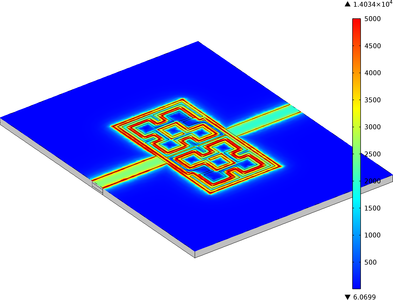
Analysis of Spiral Resonator Filters
As the world becomes more digital, there is growing demand for advanced wireless systems. Increasingly high data rate ...


