
Daniel Höche, HZG, Germany; Nils Bösch, Daimler AG, Germany
Galvanic corrosion, which occurs when the surfaces of different adjoining metals begin to degrade, costs the automotive industry billions of dollars annually. The reactions of these different metal combinations is influenced by material properties, surface roughness, and joining techniques in the components.
Researchers at Helmholtz-Zeentrum Geesthacht (HZG) and Daimler AG created COMSOL Multiphysics applications to study corrosion in automotive parts found in car paneling. Simulation helped researchers investigate electrochemical reactions on the surface of the rivet, analyze decay in sheet metal, and understand the effects of geometry on the corrosion process. They also modeled delamination of the steel sheet and assessed the growth of a crevice between the metal layers and a cathodic coating as the zinc plating was consumed. With the understanding they gained of the electrochemical behavior, they were able to provide engineers at HZG and Daimler AG with key information to improve corrosion protection in automotive parts.
Suggested Stories
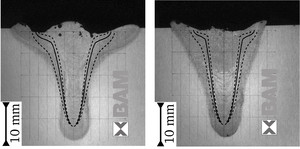
Magnets Improve Quality of High-Power Laser Beam Welding
High-power laser beam welding uses a localized heat source to achieve narrow deep welds and high welding rates. ...
砂に蓄えた太陽エネルギーで建物を暖める
Polar Night Energy は, 熱モデリングを使用して, 42トンの砂を動力源とする蓄熱および配電システムの設計を最適化しました. このプロジェクトは, ...
ジェネレーティブデザインで水素燃料電池の開発を加速化
Toyota Research Institute of North America (TRINA) は水素駆動自動車を開発しています. TRINA ...
核融合の未来へのタイムラインを短縮
General Fusion 社は, マルチフィジックスシミュレーションを活用し, 核融合実証機の設計と最適化に成功しました. 現在, この装置は定期的にプラズマを生成しています.


