
Daniel Höche, HZG, Germany; Nils Bösch, Daimler AG, Germany
Galvanic corrosion, which occurs when the surfaces of different adjoining metals begin to degrade, costs the automotive industry billions of dollars annually. The reactions of these different metal combinations is influenced by material properties, surface roughness, and joining techniques in the components.
Researchers at Helmholtz-Zeentrum Geesthacht (HZG) and Daimler AG created COMSOL Multiphysics applications to study corrosion in automotive parts found in car paneling. Simulation helped researchers investigate electrochemical reactions on the surface of the rivet, analyze decay in sheet metal, and understand the effects of geometry on the corrosion process. They also modeled delamination of the steel sheet and assessed the growth of a crevice between the metal layers and a cathodic coating as the zinc plating was consumed. With the understanding they gained of the electrochemical behavior, they were able to provide engineers at HZG and Daimler AG with key information to improve corrosion protection in automotive parts.
Suggested Stories
超薄型 Dolby Atmos® の開発が家庭用エンターテイメントシステムのスピーカー技術を可能にする
3次元 (3D) サラウンドサウンドテクノロジーは, 消費者にプレミアムで完全に没入型のオーディオ体験を提供します. このような技術の開発を主導している会社の1つとして, 米国カリフォルニア州サンフランシスコに本社を置く Dolby ...
Express Delivery: Simulation App Speeds Up Electric Truck Battery Design
Volvo Trucks is using a simulation app to help optimize electric truck batteries. The app can be used to help produce ...
シミュレーションによるテレビスポーツイベントのモバイル録画用アンテナのプロトタイピング
Radiotelevisione Italiana (RAI)の研究者は, 最も有名なサイクリングイベントの1つであるジロデイタリア(イタリアツアーとも呼ばれる ...
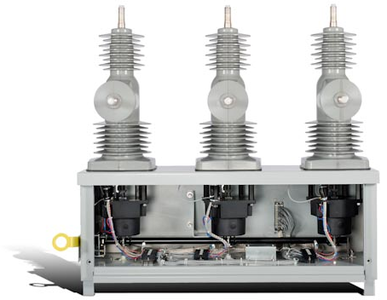
How Reclosers Ensure a Steady Supply of Power: It’s All in the Magnet
When a tree branch touches overhead cables and causes a momentary short circuit, your lights may flicker. A device ...


