
NEXT ENERGY Analyzes Heat Transfer in Lithium-Ion Batteries
Gerd Liebig, Pamina Bohn, NEXT ENERGY EWE Research Centre for Energy Technology, Germany
Lithium-ion batteries, which have a tendency to degrade at high temperatures, must adhere to stringent regulations guaranteeing their ability to withstand operating temperature fluctuations. Researchers at NEXT ENERGY used heat transfer modeling to study whether high welding temperatures can create enough temperature propagation within cells to cause irreversible damage, such as electrolyte decomposition and capacity loss. They discovered that tab welding can, in fact, induce irreversible damage, but laser welding is significantly less detrimental.
Suggested Stories

バイオメディカル業界におけるシミュレーションの活用の拡大
インプラントやステントから MRI や脊髄刺激まで, 数値モデリングは生物医学装置の開発にとって最も重要です. 詳細を確認し, この業界の主要なプレーヤーから話を聞いてください.
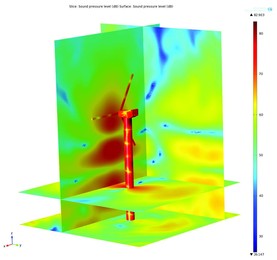
Wind Turbine Noise Reduction
Xi Engineering Consultants Ltd specializes in complex vibration issues, like those caused by wind turbines. The ...
Researching a New Fuel for the HFIR: Advancements at ORNL Require Multiphysics Simulation to Support Safety and Reliability
In response to the increasing awareness of the risks associated with the proliferation of nuclear materials, the ...
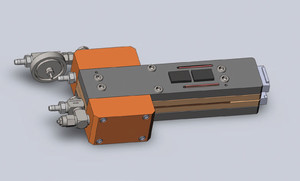
Simulation-Based Engineering Fosters Innovation and Invention
Simulation-based engineering is the key to shortening time to market for innovations. Intellectual Ventures, in ...


